

NEWS CONTENT
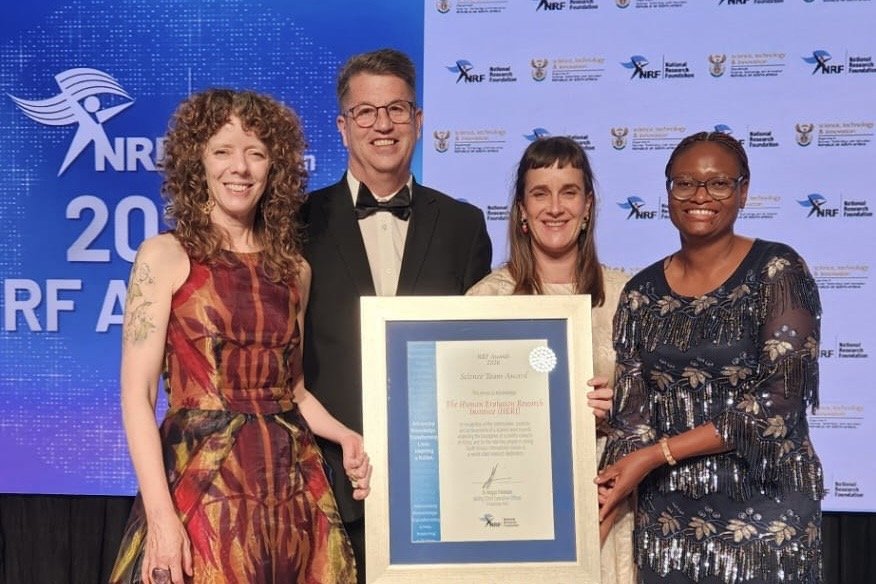
HERI receives prestigious NRF 2026 Science Team Award
The NRF 2026 Science Team Award recognises HERI’s African-led excellence and transforming human origins research.
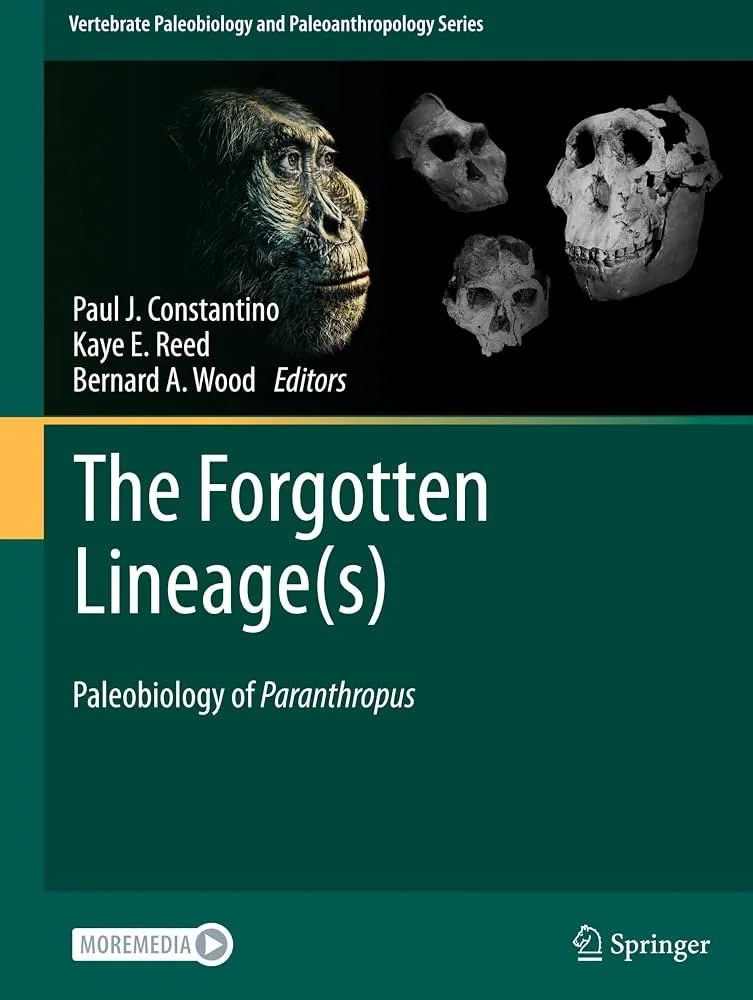
New book with HERI contributions presents latest Paranthropus research - and remaining questions
In the first comprehensive review of Paranthropus in more than three decades, a new book outlines the latest research, including contributions from HERI, to uncover new evidence around the extinct prehuman genus and its legacy.
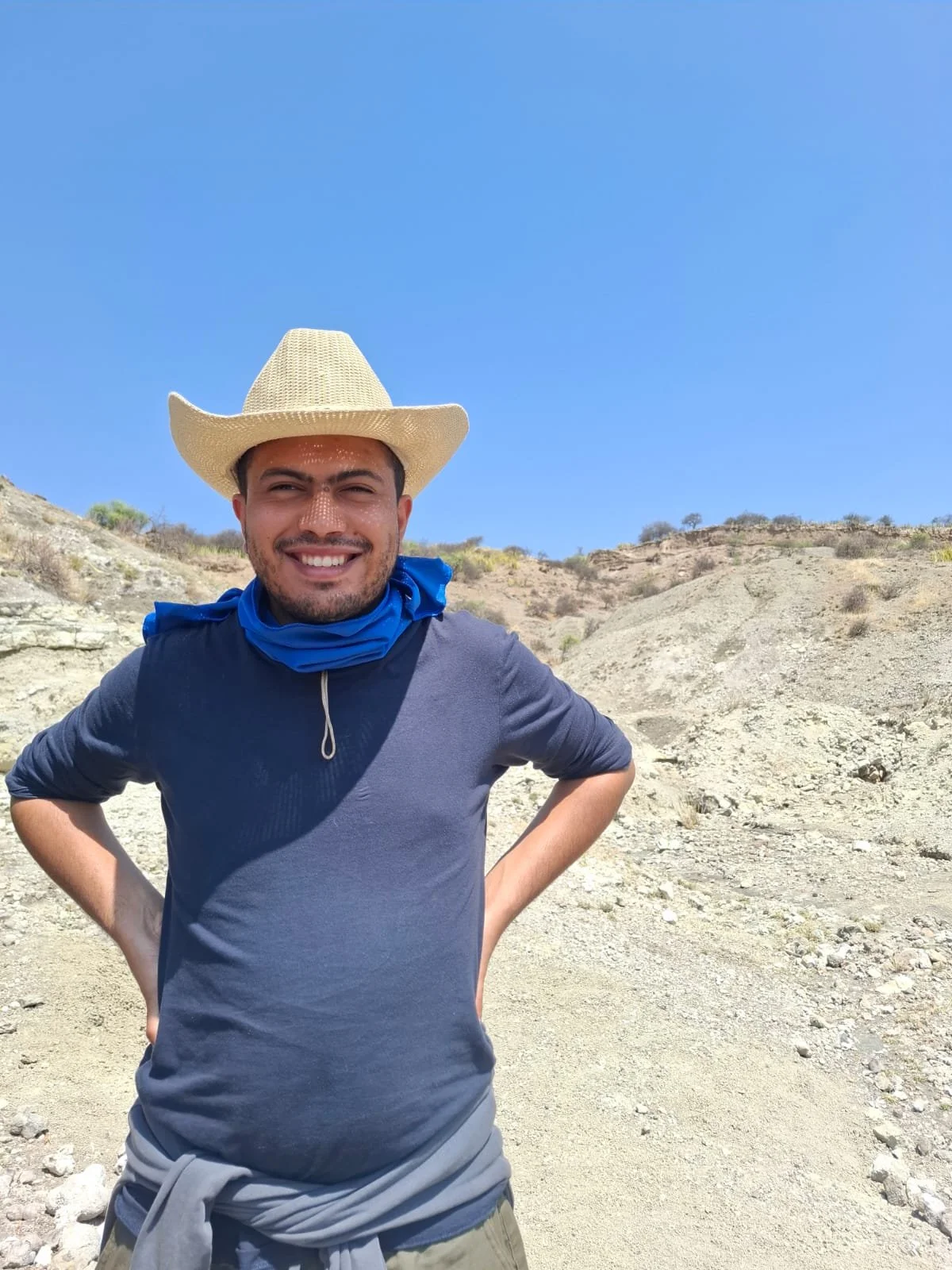
#HERIspotlight: Keane Wanza
HERI’s spotlight shines on archaeology master’s student Keane Wanza, who investigates field samples from Ethiopia using palaeoproteomics, a rapidly advancing field within palaeoanthropology, to investigate early hominin evolution.
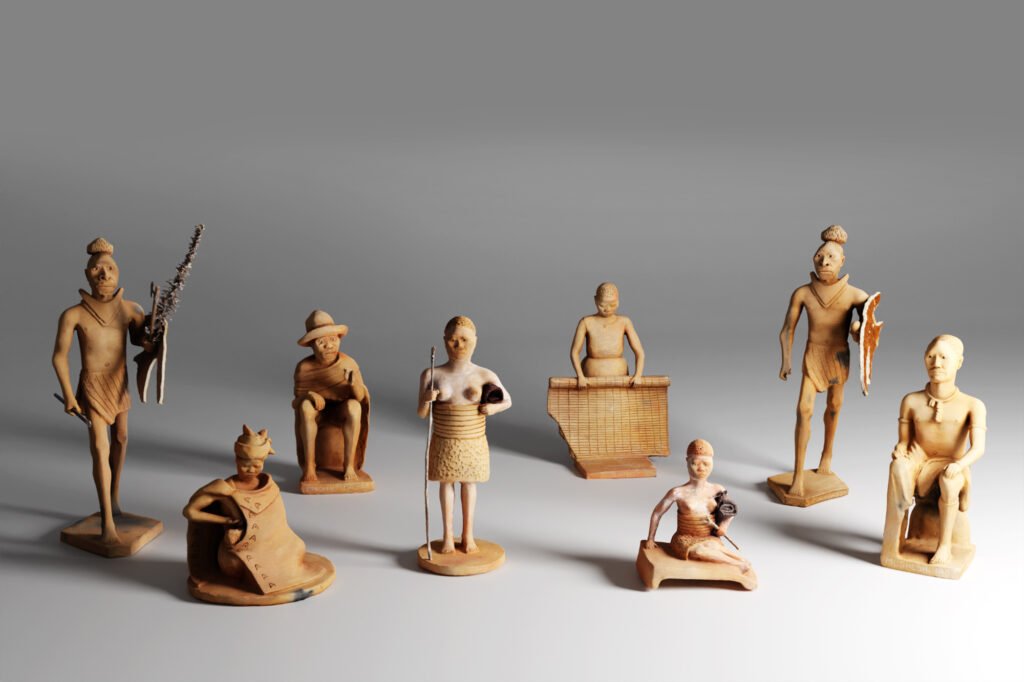
Beyond the Book: Precious Chiwara-Maenzanise on voice, history, and palaeontology in South Africa
When HERI’s Precious Chiwara-Maenzanise was invited to review The Untold History and Prehistory of African Indigenous Palaeontology, she found its themes connected deeply to her own career. In this article, she reflects on the impact of the review experience.
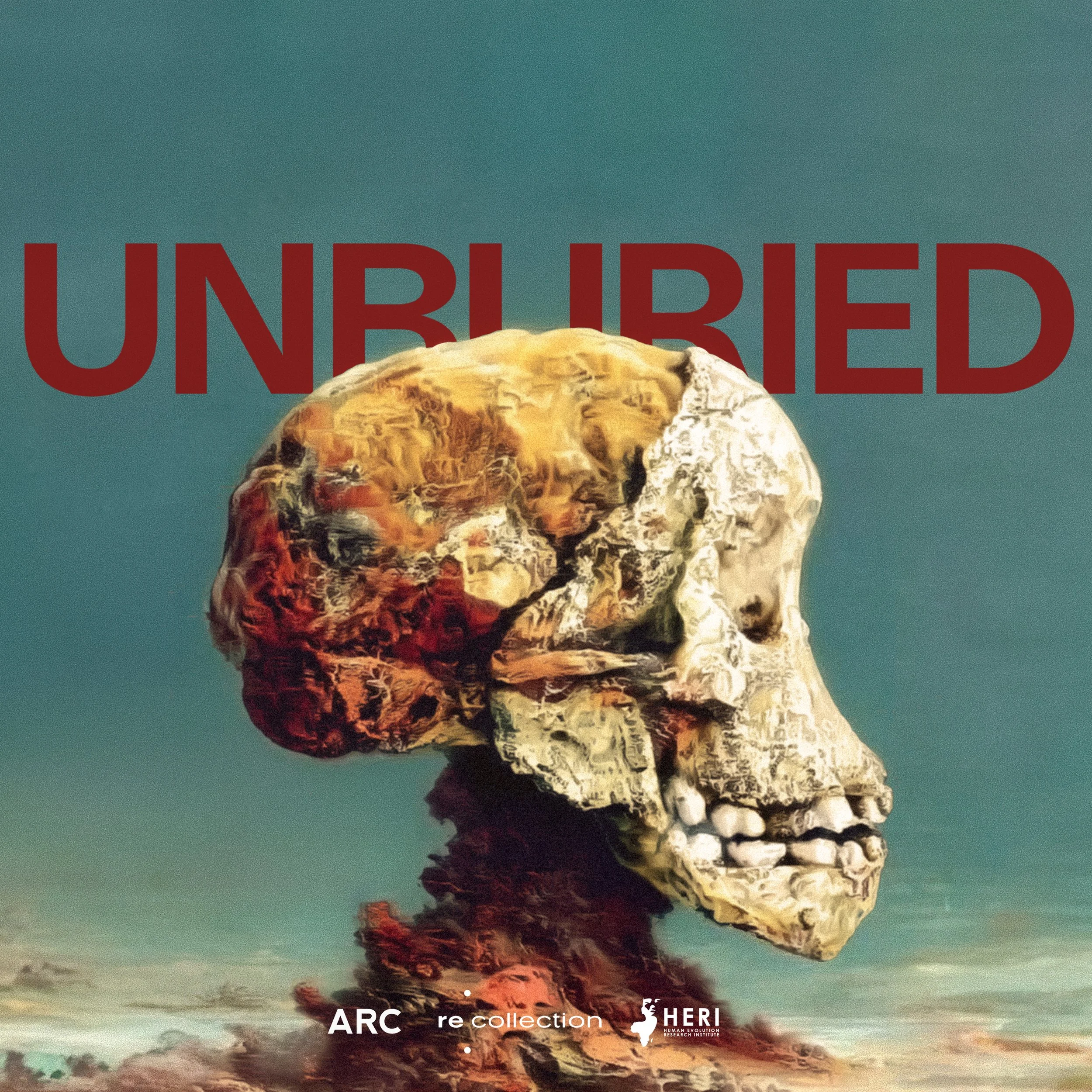
Taung Child podcast: The hidden voices of South African palaeoanthropology
In a new perspective piece, archaeologist Justing Pargeter calls the HERI podcast, Unburied Season Two, a model of what it looks like to place African voices at the centre of inquiry into the Taung Child discovery.
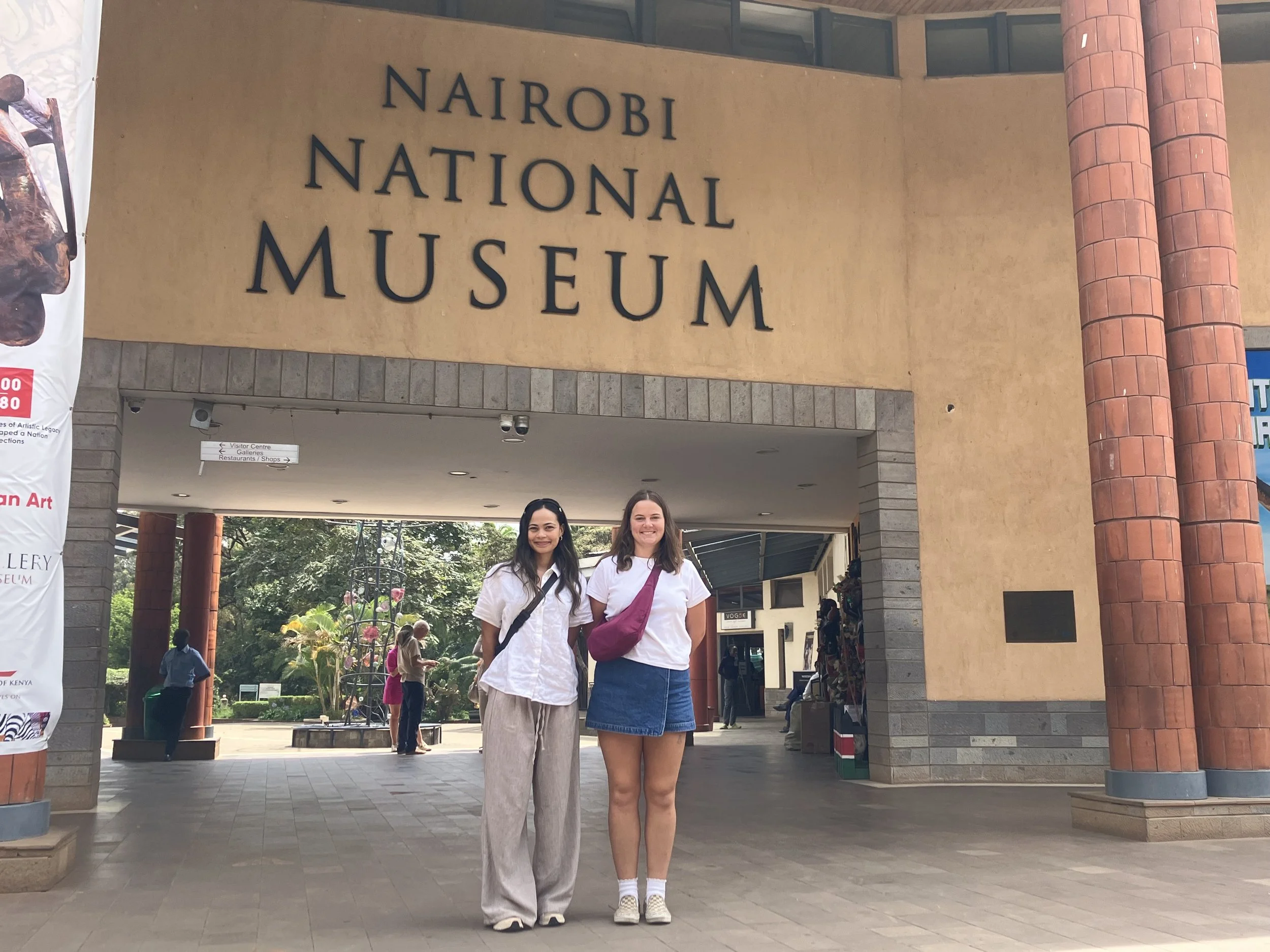
From finding fossils to building African networks: HERI students reflect on Kenyan field exchange
Under the PANACHE initiative, HERI master’s students, Kelly-Anne Shaw and Kirsten Van Der Heyden, joined a Kenyan field camp to recover evidence of past environments and human evolution.
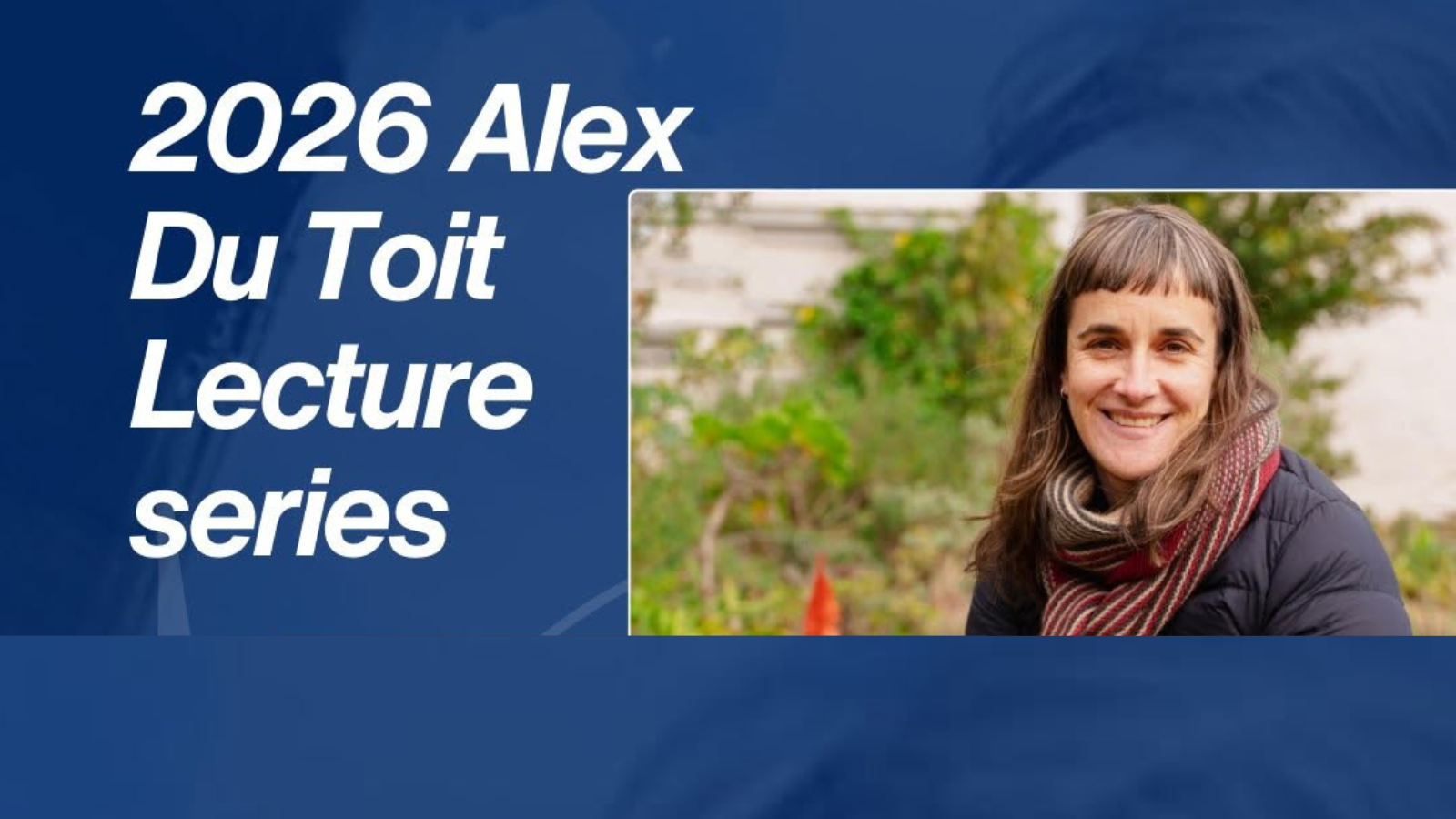
Watch: HERI’s Associate Professor Robyn Pickering presents 2026 Alex Du Toit memorial lecture
Over 400 attendees attended the lecture series in April, to listen to a talk focused on early humans and hydrology: the geology and dating of the last 3 million years of southern Africa.
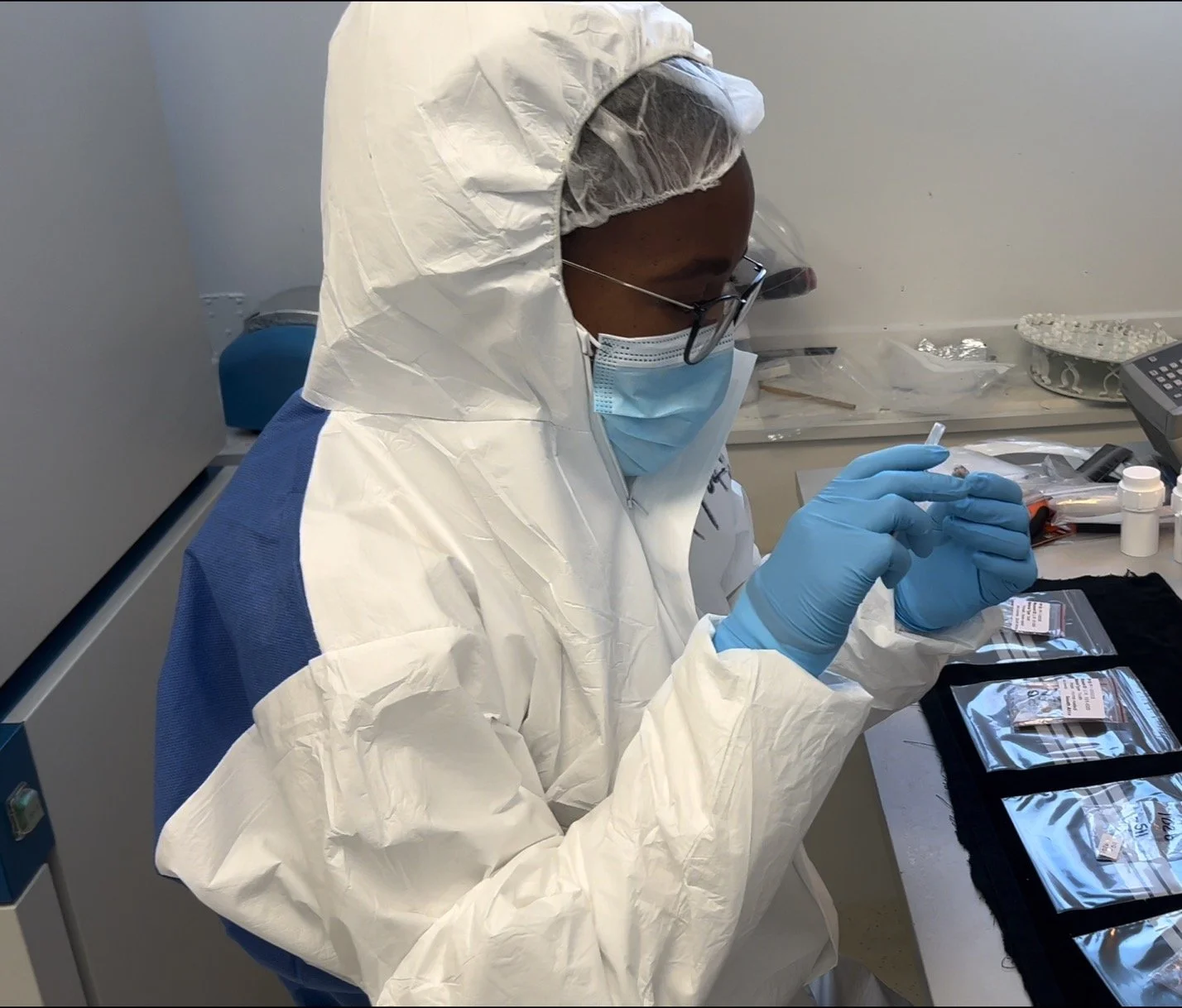
First-ever protein analysis of Homo naledi fossils finds zero male markers
New research, led by HERI Research Associate Dr Palesa Madupe, examines ancient proteins from the enamel of 23 Homo naledi teeth found in the Cradle of Humankind to offer evidence that each individual was female.
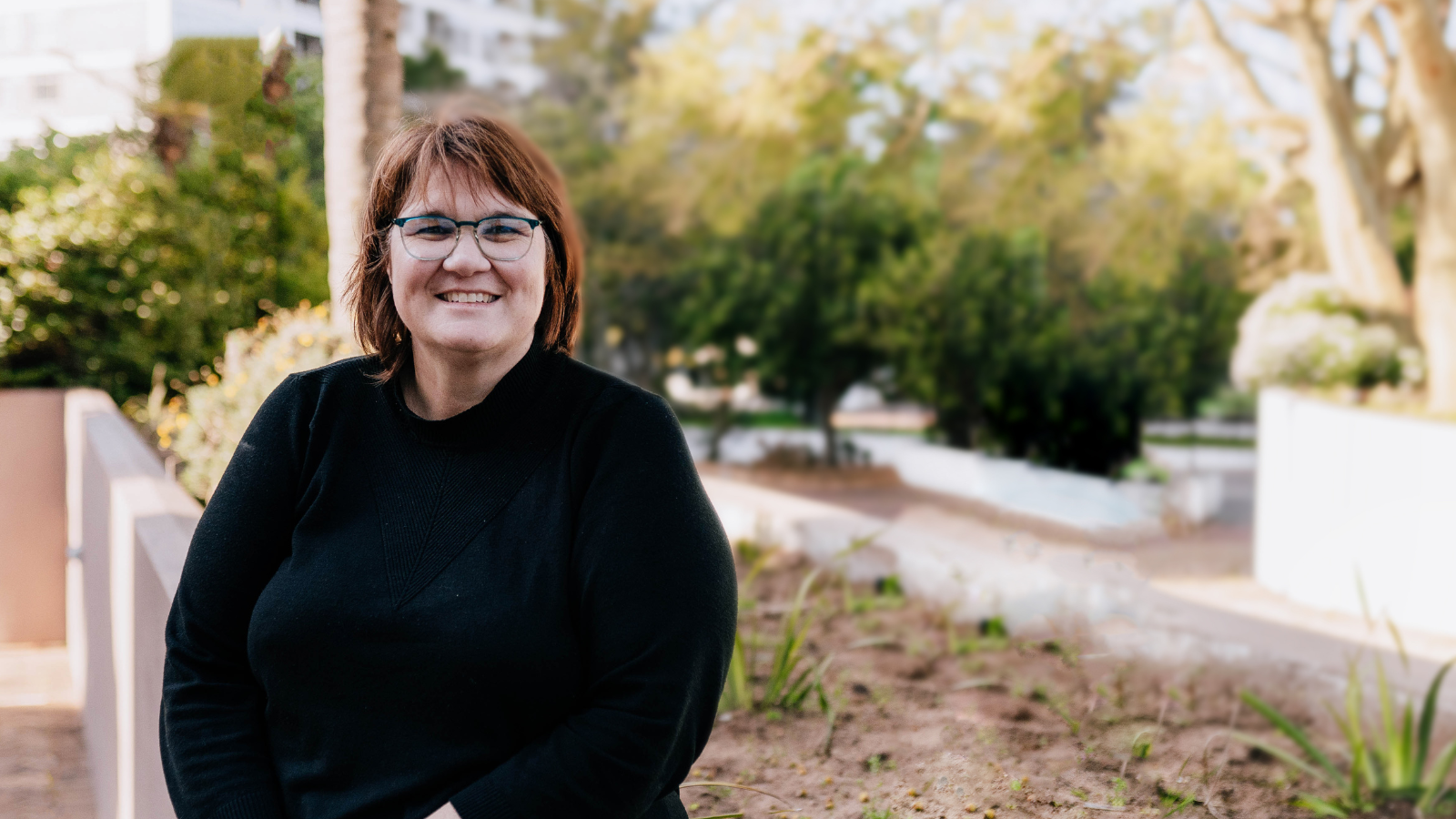
#HERIspotlight: Wendy Black
As a founding member of HERI, Dr Wendy Black has been pivotal in shaping the institute. As she turns to focus on a new role at Iziko Museums, we celebrate her immense contributions and enduring commitment to inclusion and excellence in archaeology.
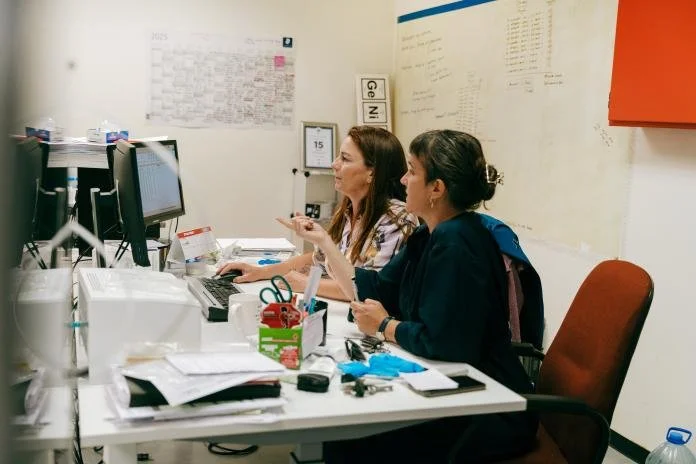
How ICP-MS and XRF methods help us understand early human behaviour
Thanks to cutting-edge major and trace element analysis methods available in the Department of Geological Sciences at UCT, HERI researchers can study stone tools and the behaviours of our ancient ancestors.
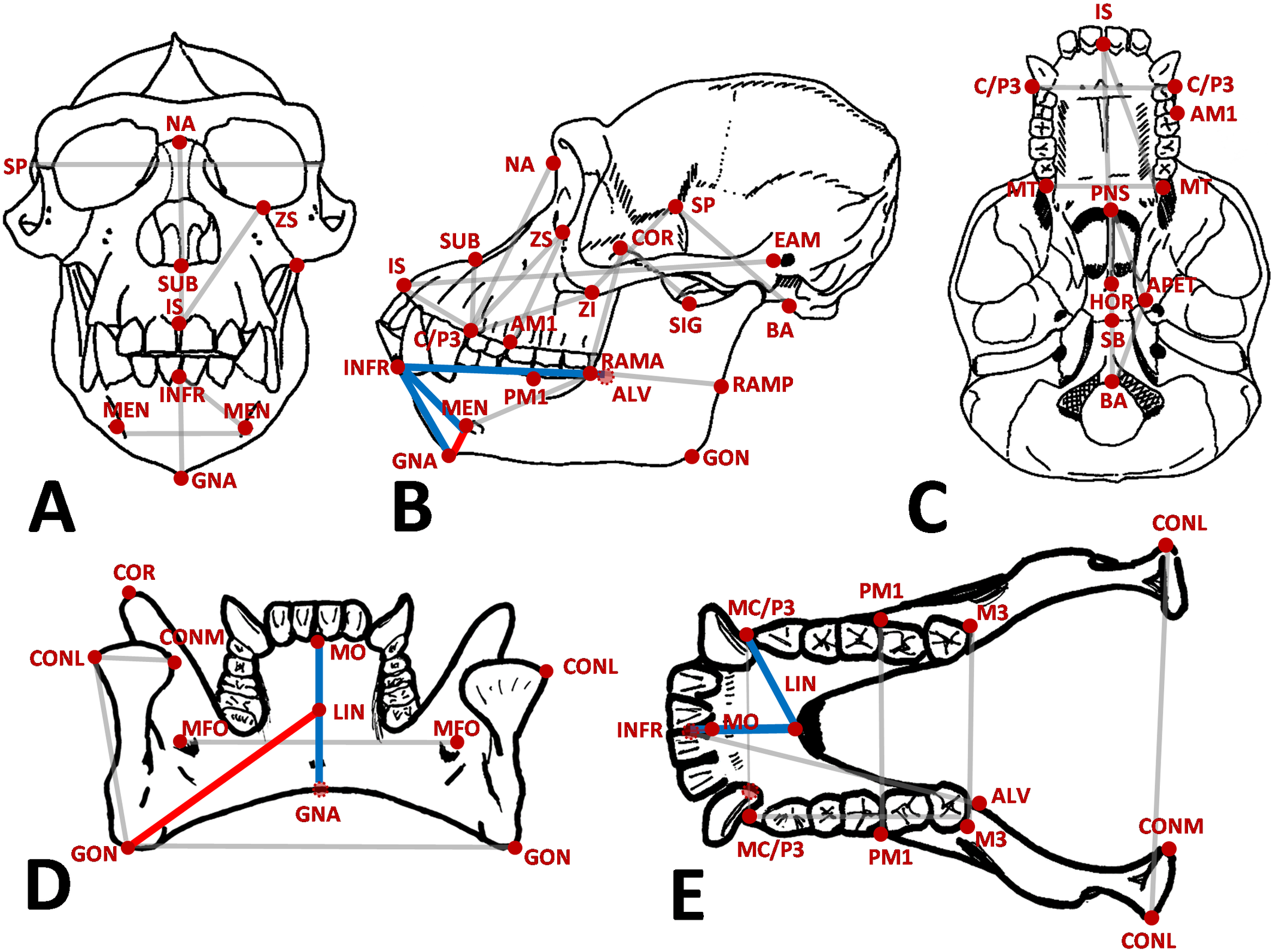
Why do humans have chins? Research by HERI’s Lauren Schroeder has an answer
A paper by Lauren Schroeder and colleagues, published in January 2026 in the journal PLOS One, takes a fresh evolutionary look at one of the most distinctive features of the human face: the chin.
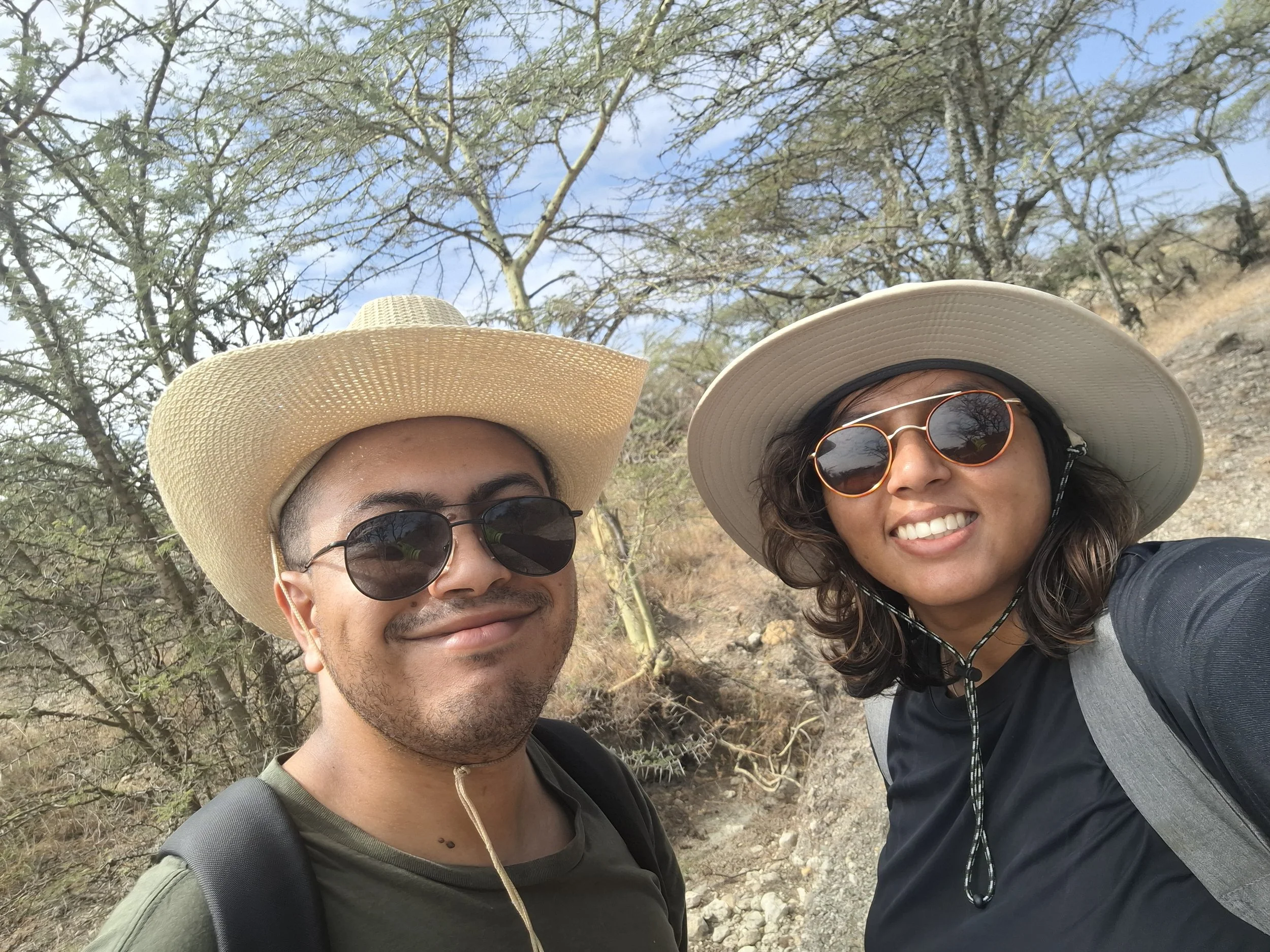
HERI supports pan-African collaboration with the PANACHE field exchange to Laetoli
Two HERI master’s students travelled to Laetoli, Tanzania for the 2025 fieldwork season as part of the Pan-African Consortium for Human Evolution (PANACHE) initiative, funded by the Wenner-Gren Foundation.
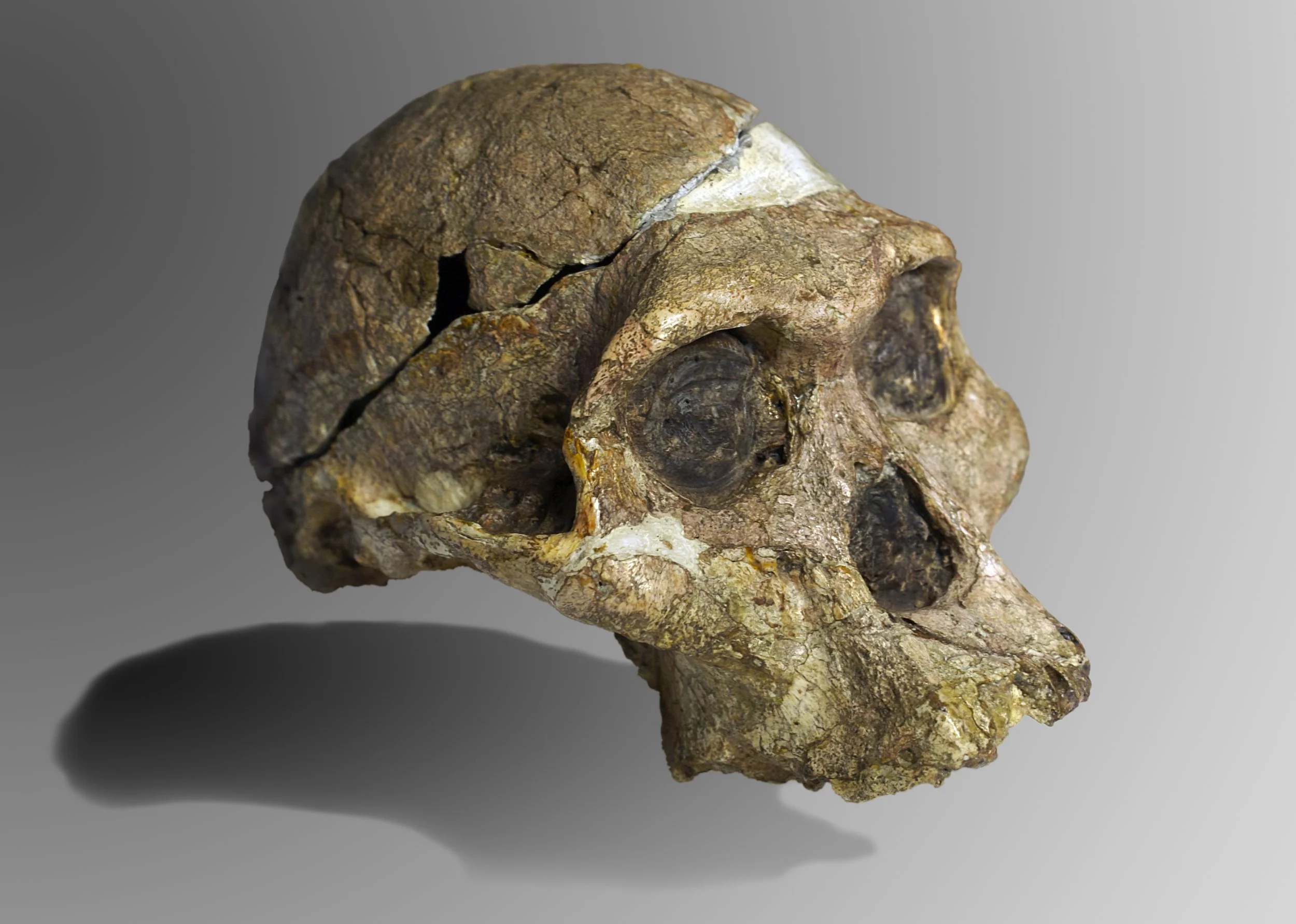
Outstanding Article Award for 2025 goes to HERI-led research
The SAJS award recognises original research led by HERI’s Dr Palesa Madupe that determined the biological sex of an Australopithecus africanus specimen using a palaeoproteomic approach.
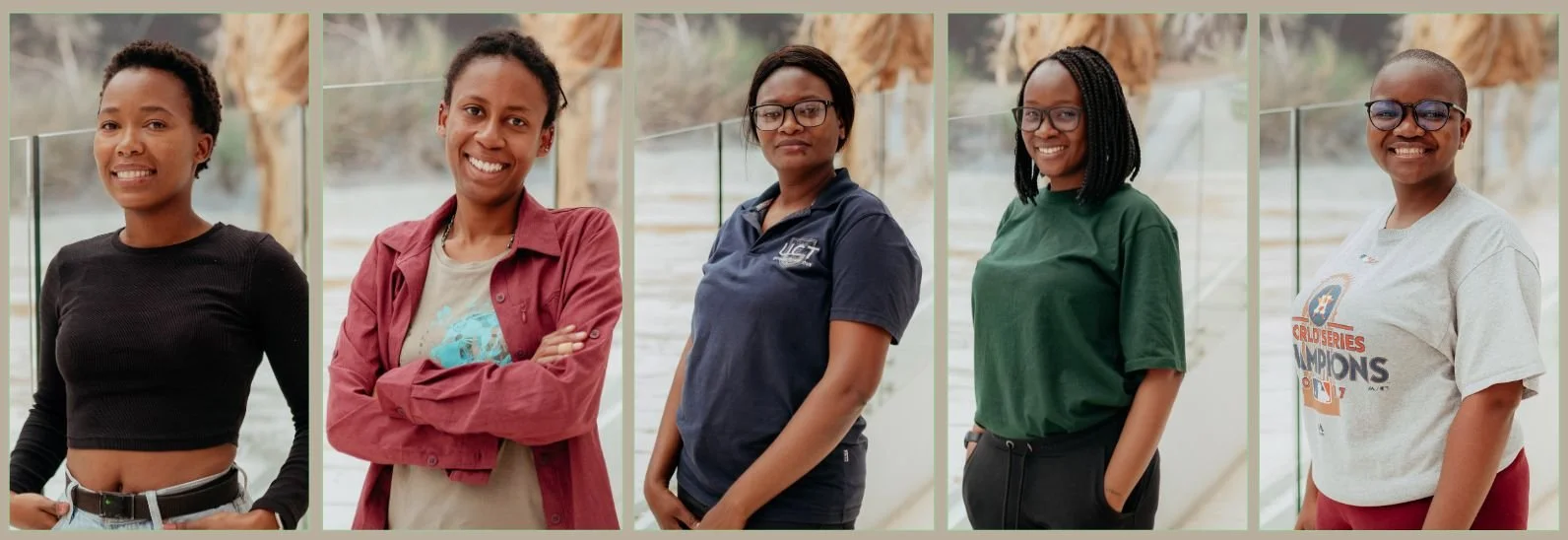
A landmark year for HERI women of colour in palaeoscience
Reflecting on research achievements from last year, HERI highlights 12 significant publications from its postgraduate women of colour in 2025, signalling the growing influence of Black women in African palaeoscience.
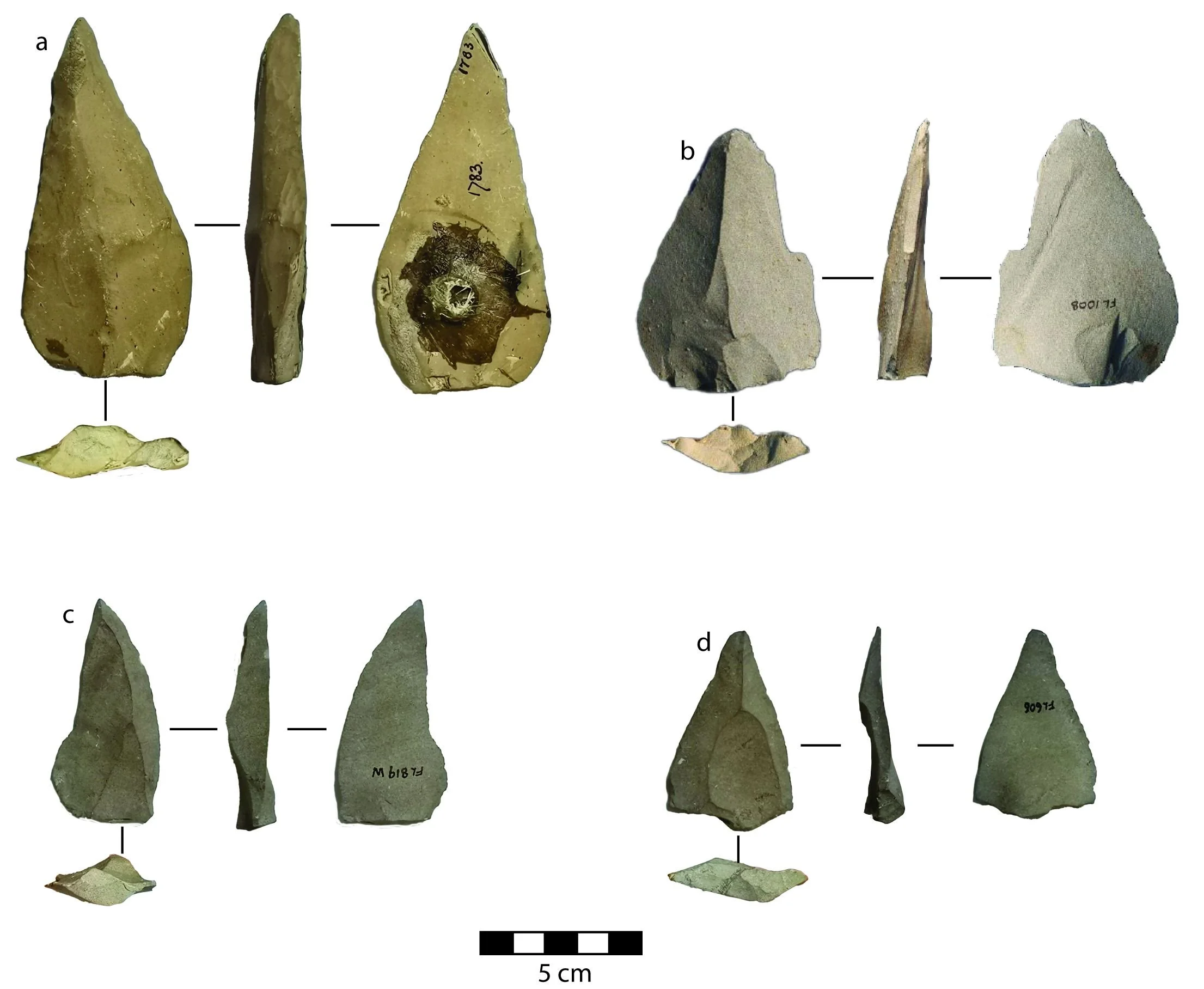
Surviving the drylands: Stone tools as evidence of early social networks
Stone tools uncovered in the Kalahari Basin tell us that individuals shared knowledge and supported each other. HERI postdoc Dr Precious Chiwara-Maenzanise writes about her research in this area to dispel the myth of isolation in ancient southern Africa.
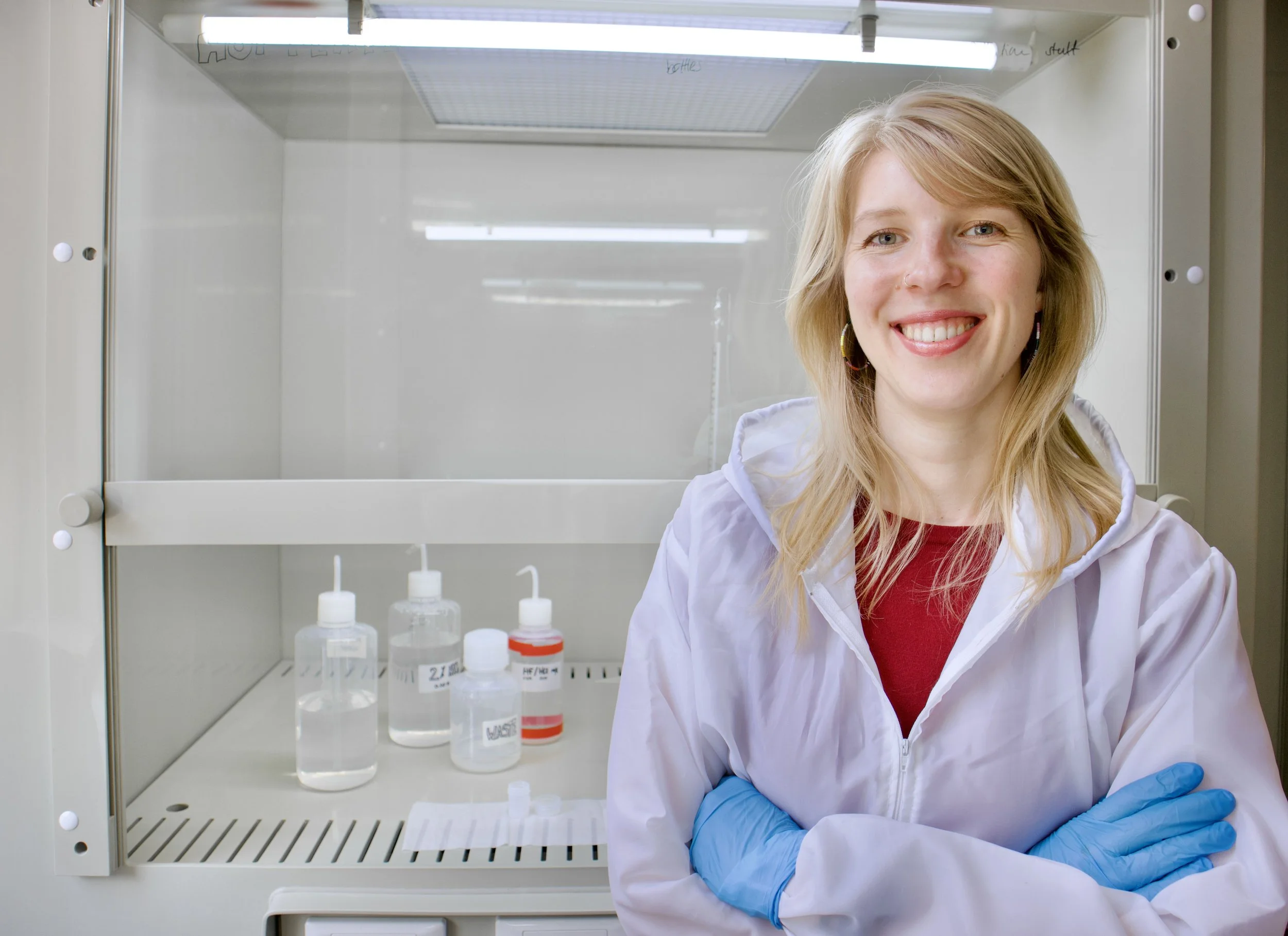
Review of geochronology techniques led by HERI researchers
A rare update of the state of U–Th and U–Pb dating in palaeoscience has been published with HERI’s Dr Rieneke Weij as lead author. The review highlights the advances in accuracy and precision, and the range of future potential for carbonate geochronology.

New analysis of flowstones from Cradle reveals no evidence of intrusion
The study, led by HERI’s Georgina Luti, counters arguments that flowstones from the Cradle of Humankind are uniform and intrusive, adding support for their role in dating fossils from the region.

New podcast from HERI: How the Taung Child challenged science and bias
Unburied Season 2: The Taung Child, produced by HERI in partnership with ARC, reveals the story of the world’s most important fossil and the legacy it has left for human evolution in Africa and globally.
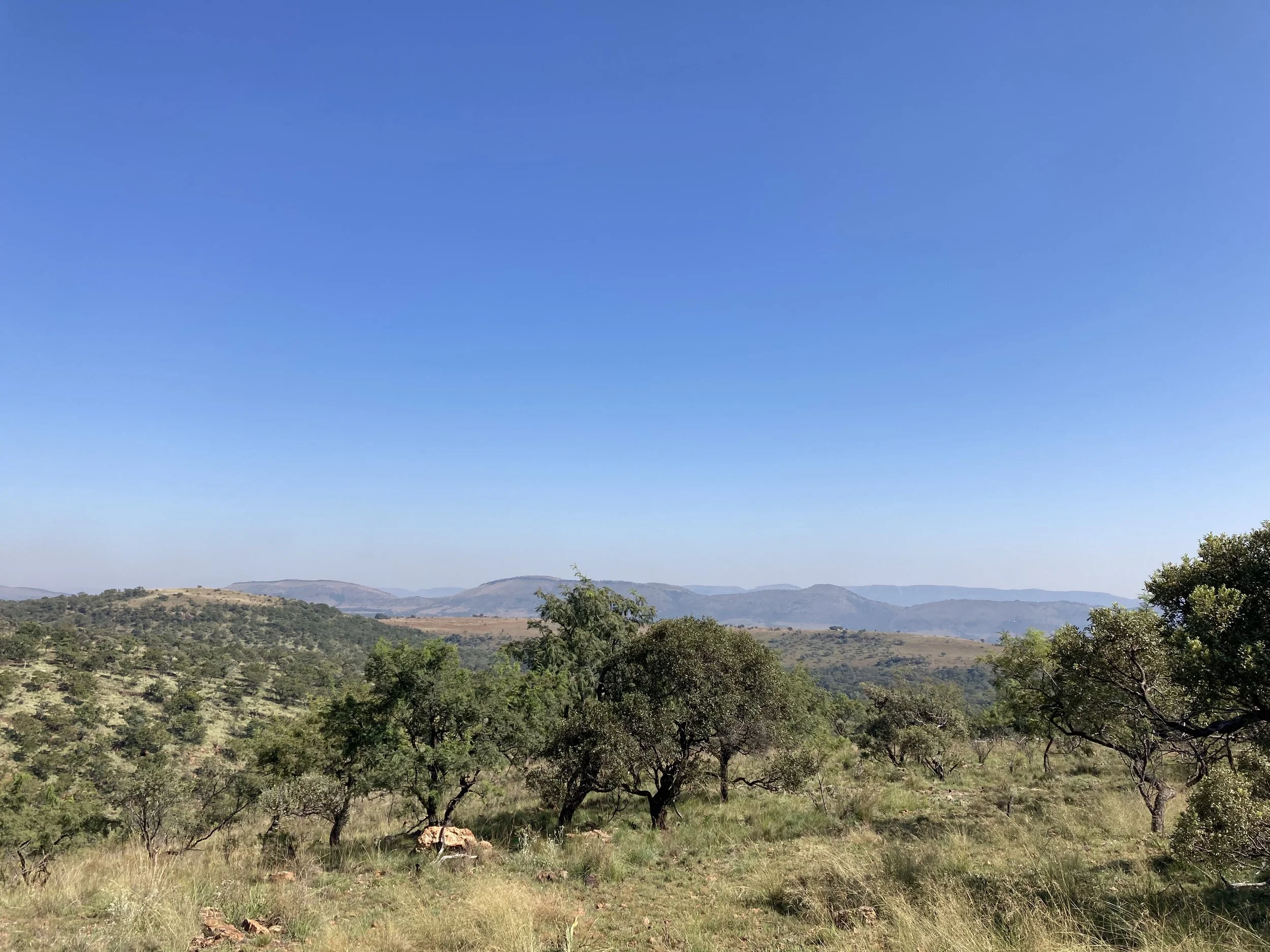
New research challenges long-held view of Cradle of Humankind’s ancient environments
A new study of fossil antelope teeth from South Africa’s Cradle of Humankind has challenged a decades-old hypothesis about a dramatic ancient environmental shift that may have shaped early human evolution.

We need a feminist palaeoanthropology that finally listens to all of us
Palaeoanthropology asks profound questions: Who are we? What makes us human? Too often, answering these answers has been done by a privileged few. HERi Co-director Prof Rebecca Ackermann calls for that to change - toward feminist palaeoanthropology.